ZF Lemförder Shenyang: Guard Tour System Cuts Missed Inspections to Zero
Task standardization, visual evidence and accountable data: missed/wrong inspections down from 15% to zero.
ZF Lemförder Automotive Systems (Shenyang) is a benchmark manufacturer of chassis and automotive components. Its plant packs precision equipment, high-voltage distribution and fire facilities, so inspection discipline directly affects production safety. The previous "manual records + spreadsheet" model relied on inspectors' experience and memory; paper ledgers were slow to consolidate, and missed rounds were hard to trace or attribute.
Challenges
- Experience-based inspection produced a 15% missed/mis-inspection rate
- Slow paper consolidation made missed rounds hard to trace; responsibility was blurry
- Real losses had occurred: a loose bolt missed on a stamping press caused a 4-hour stoppage, and an under-pressured fire extinguisher went unnoticed
Solution
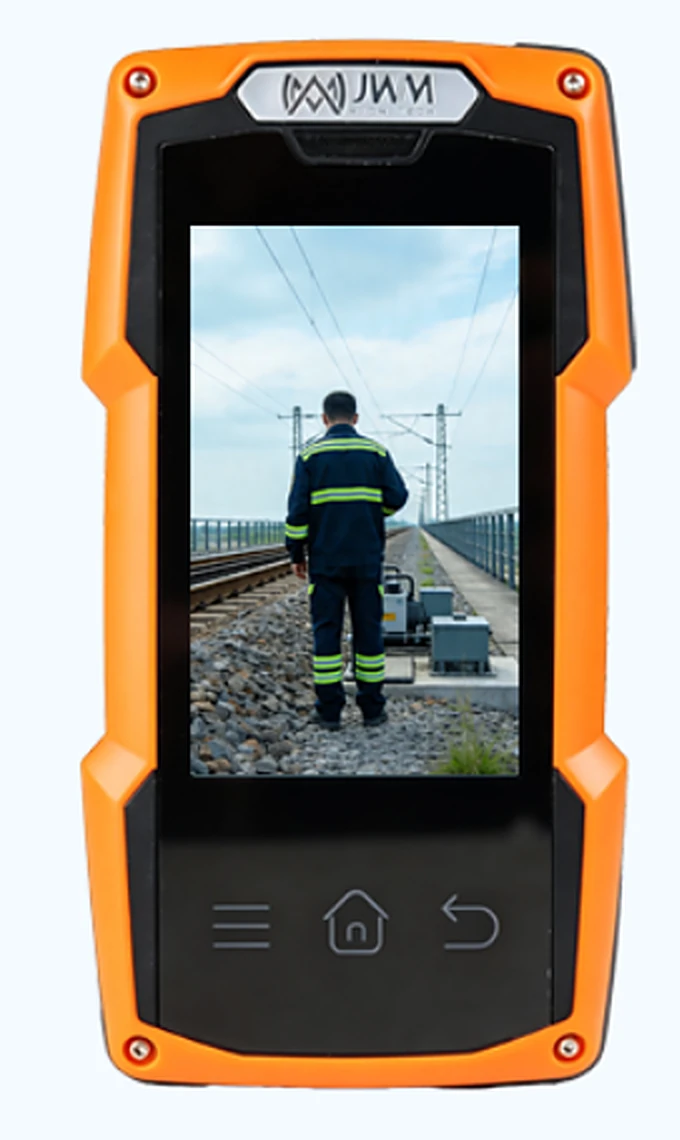
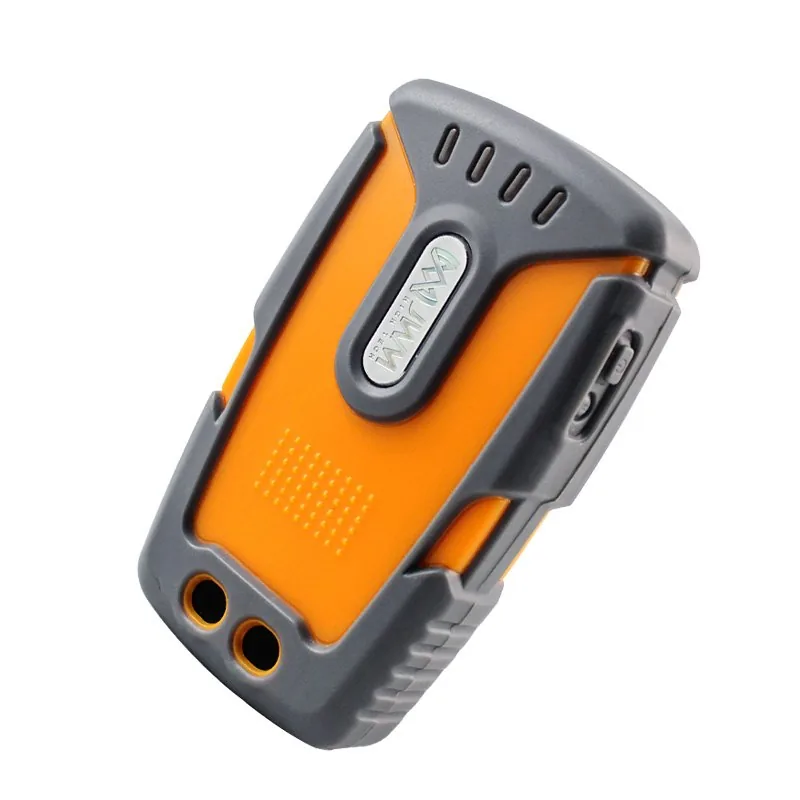
The company introduced an electronic guard tour system built around multifunctional inspection handheld terminals plus backend software:
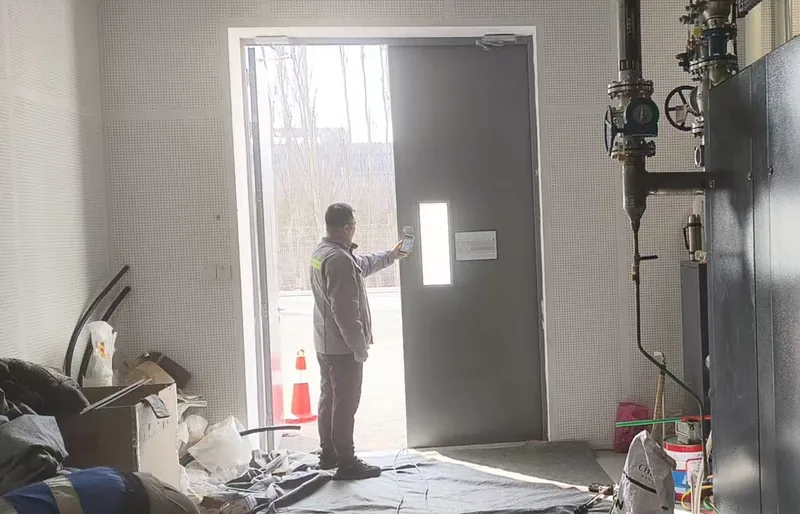
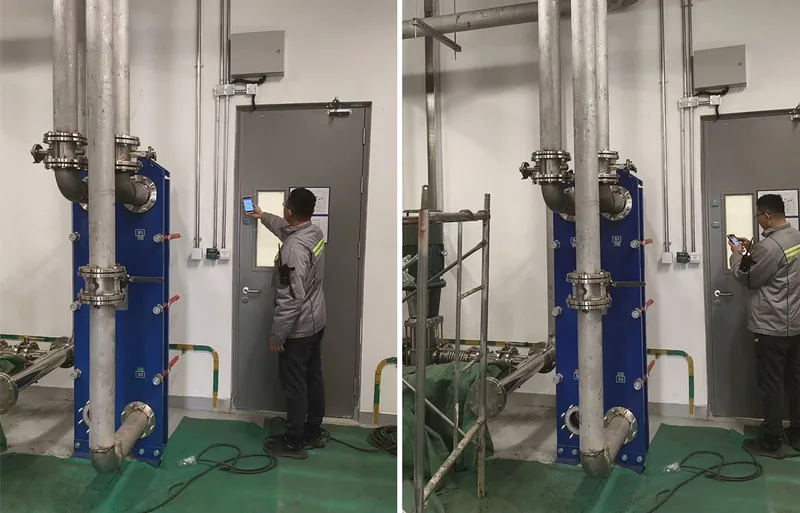
- Standardized tasks: safety officers set daily/weekly/monthly tasks by production rhythm, defining check items for stamping shops, power distribution rooms and other key areas — down to specifics like "equipment oil temperature ≤ 45°C"; inspectors receive tasks on the terminal and work to standard
- Visual feedback: terminals support photos and video — problems are uploaded on the spot with images and descriptions; terminal positioning is bound to tasks, ensuring on-time arrival and ending missed rounds and absenteeism
- Accountable data: the backend aggregates everything automatically, marks missed and below-standard records in a distinct color, and feeds both performance review and plan optimization
Results
- Missed/mis-inspection rate down from 15% to zero — hazards caught early, before they escalate
- Unplanned downtime of key equipment such as stamping presses down 68%
- Fire and power-distribution facilities inspected on schedule; fire-safety compliance at 100%, meeting automotive manufacturing standards
- No more manual reconciliation — management sees patrol status and hazard progress live; safety management efficiency up 70%+
Standardized tasks, visual evidence and accountable data moved inspection from human-driven to technology-driven — protecting production at an automotive components plant.