How a Guard Tour System Prevents Fake Patrol Records
Fake patrols are the oldest problem in security supervision. This guide shows how the hardware chain in a guard tour system - unique checkpoint buttons, a guard key, a timestamped reader and read-only serials - makes a patrol hard to fake, and where its honest limits are.
Every security manager eventually asks the same question: the logbook says the 2 a.m. round was done, but was anyone actually there? A paper record can be written in the office in five minutes. A guard tour system exists to make that lie expensive - each record is produced by three separate physical objects that have to come together at the same moment: a checkpoint fixed at a location, a guard key carried by one person, and a reader that timestamps the touch. This guide explains how that chain works, which tricks it stops, and where its honest limits are.
What a fake patrol actually looks like
In practice, faked patrols take a handful of familiar forms. The paper logbook is filled in at the desk before the round. A guard hands the reader to a colleague, and one person walks the route for two. A checkpoint tag is unscrewed and moved to a door that is easier to reach. Or the whole route is scanned in one burst at the start of a shift, and the rest of the night goes quiet. Each of these tricks defeats a paper system completely - and each one is exactly what the hardware in an electronic system is built to stop.
The chain of three objects
A guard tour system records one patrol event only when three things meet. First, the checkpoint: a passive chip - an iButton such as the DS1990A-F5, or a 125 kHz RFID disc - whose serial number is written at the factory and cannot be edited. The chip holds no battery and no logic; it only answers the question "who am I" when touched or read. Screwed to the wall at the location it stands for, the chip becomes that location.
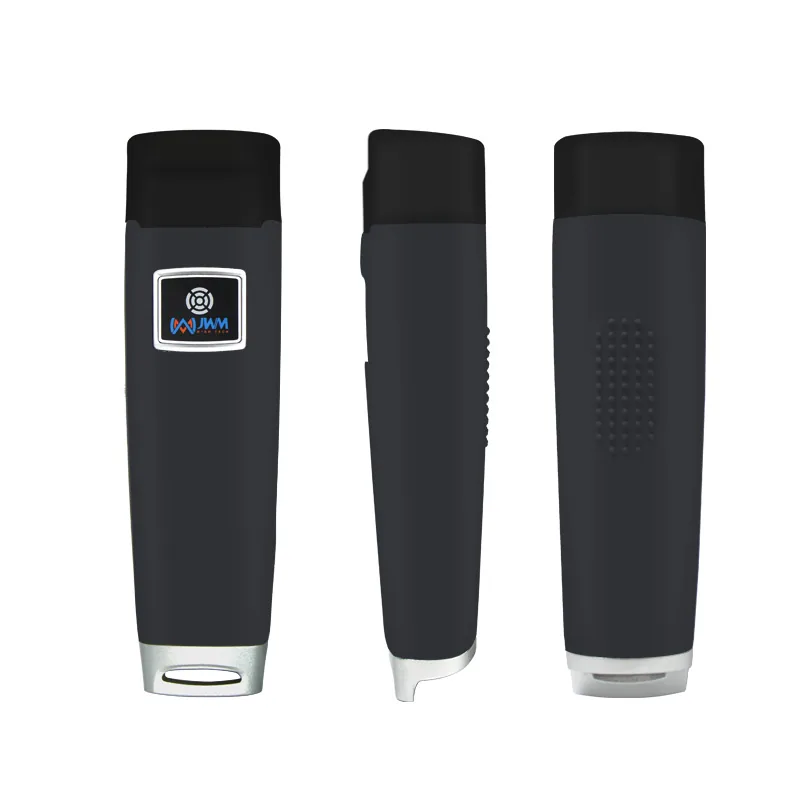
Second, the guard key: a small tag bound to one named person in the Guard tour management System. A round only counts after the reader has touched the guard key, so every record that follows carries a name. Third, the reader itself - the guard tour reader - which stores the serial of every chip it touches together with the date and the time. A record therefore says: this named guard touched this fixed point at this moment. No single object can produce that sentence alone.
Why a checkpoint cannot be cheaply faked
The serial inside an iButton or RFID checkpoint is fixed in hardware. A copied chip carries a different serial, and a serial that is not in the route map of the Guard tour management System produces a record that does not match the route. Mounting the plate with screws removes the easiest trick of all: carrying the tag to another door. None of this is exotic technology - it is the simple fact that the identity of the point is not written on paper or on a sticker, but inside a chip that was programmed once, at the factory.
Which trick each part of the system stops
| Trick | What stops it | What the report shows |
|---|---|---|
| Logbook filled in at the office | No checkpoint is touched, so no timestamped record exists | A round with zero or very few scans |
| Reader handed to someone else | The guard key must be read first; one key is bound to one name | All records under one name on a night when two people were rostered |
| Checkpoint tag moved to an easier door | The plate is screwed down and the serial is mapped to one location | Records at the wrong point for the route |
| Whole route scanned in one burst | Timestamps show scans seconds apart instead of spread across the window | Scan times clustered at the start of the shift |
| Copied or counterfeit button | The serial does not match the route map | Unknown-point records, or a planned point never scanned |
What the software adds
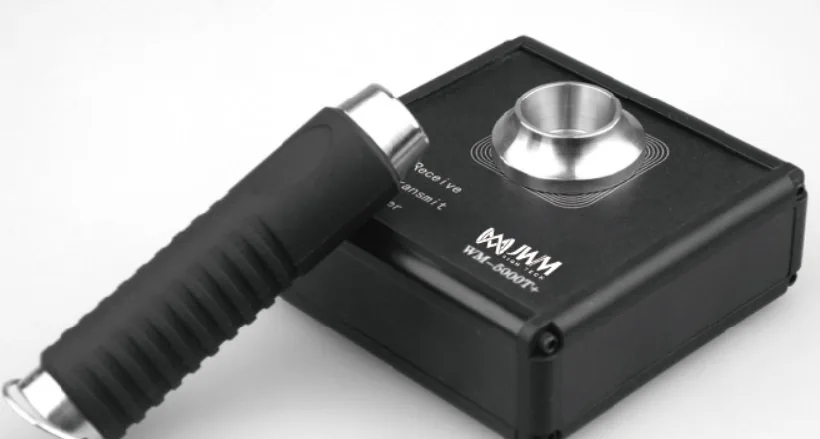
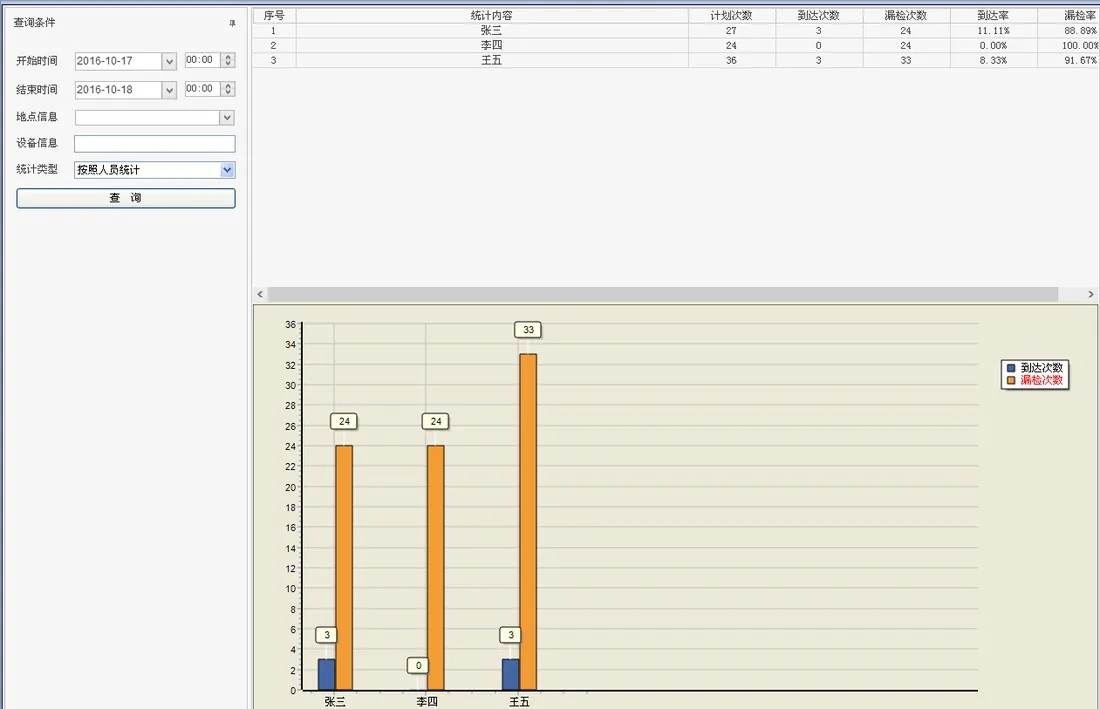
The reader only stores data; the Guard tour management System turns it into accountability. After a shift the reader is placed on the Data Downloader and the records are transferred in seconds. The report then does what a notebook never could: it compares every planned checkpoint against what was actually scanned and shows completed and missed points. By design the judgement stays loose - the system does not demand a strict order, and it does not punish a guard for being a few minutes early or late. What it does insist on is presence: a point that was never touched shows up as missed, and no office handwriting can close that gap.
Honest limits of any patrol system
No device can prove the quality of an observation, only presence at a point in time. A guard who walks the route with the reader but without attention produces a perfect record of a careless patrol. That is why the system works best as one layer: timestamps give supervisors a reliable baseline, while spot checks, incident notes and client feedback cover what timestamps cannot. A system that claims more than presence is promising more than hardware can deliver.
There is also a human rule worth stating: the looser the judgement, the less reason to cheat the report. Because the software flags only missed points instead of penalising every early or late scan, honest guards are not pushed into gaming timestamps - the classic failure of rigid systems.
Choosing readers for sites where the record must hold
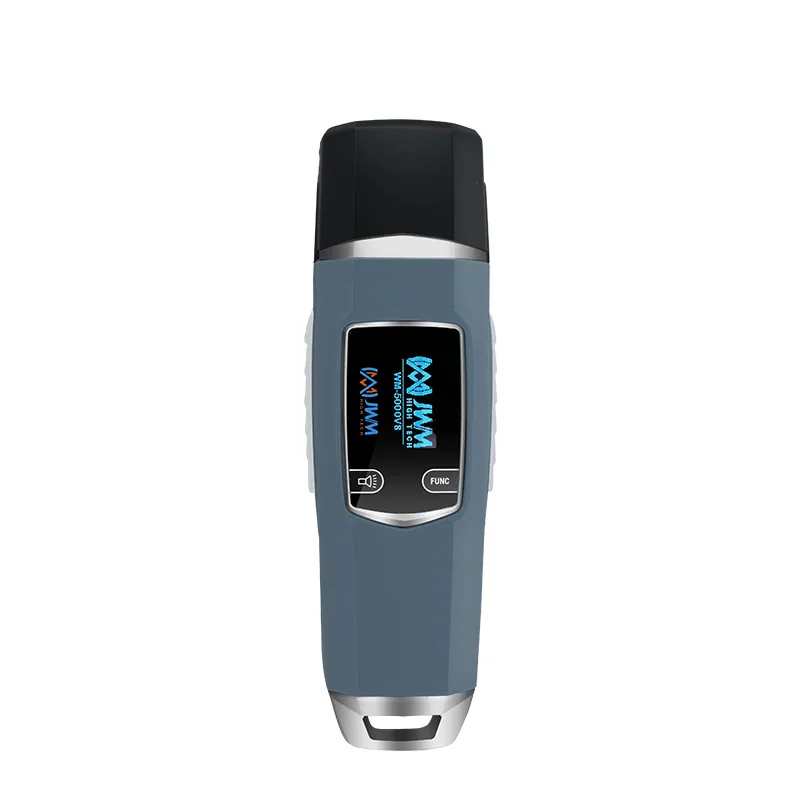
For fuel depots, chemical plants and other hazardous areas, the WM-5000E iButton guard tour reader is the standard choice: IP67 sealed, rated from -40 to +85 degrees C, with records retained for more than 20 years. Where a guard touches dozens of points a night and speed matters, the WM-5000V8 RFID guard tour reader covers the same chain with 125 kHz tags. For the roughest handling and the worst weather, the WM-5000V+ super rugged reader adds a 2 m drop rating and a reinforced body. All three follow the same rule: the identity of the point lives in the checkpoint, the identity of the guard lives in the key, and the time lives in the reader.
WM-5000E Rugged iButton Guard Tour System →
Frequently asked questions
Can a guard scan all checkpoints at the start of the shift and then rest? The timestamps would show every point read within a few minutes of each other, which no real walking pace produces. Supervisors who review the spread of scan times catch this pattern immediately - and unlike a paper log, the pattern cannot be rewritten afterwards.
What stops a guard from lending the reader to a friend? Every round starts by reading a guard key bound to one person. A borrowed reader still writes records under the name of whoever owns the key that was read, so the swap shows in the report instead of hiding behind it.
Is RFID easier to cheat than iButton? No. Both families carry a unique, read-only serial written during manufacture. The choice between them is about environment, not security: contact iButton reading is preferred in explosive or hazardous areas because it emits no radio energy, while RFID speeds up reading where a guard touches many points per round.