Traditional, Online, Real-Time & GPS Guard Tour Systems Compared
Four patrol architectures compared side by side: how the data travels, what infrastructure each needs, what the manager sees, and which JWM models fit each one.
Almost every patrol product on the market falls into one of four architectures. They differ in how data travels, what infrastructure the site needs, and what the manager actually sees. Here is a practical comparison.
| Traditional (offline) | Online (SIM upload) | Real-time monitoring | GPS patrol | |
|---|---|---|---|---|
| How data travels | Stored in the reader, downloaded later via USB Data Downloader | Each scan sent over the mobile network the moment it happens | Online upload plus a live dashboard in the control room | Position logged by satellite, reviewed or streamed |
| Site infrastructure | Checkpoint buttons/tags | Checkpoint buttons/tags | Checkpoint buttons/tags | None (sky view required) |
| What the manager sees | Reports after the shift | Data arriving scan by scan | Live progress, missed-point and SOS alerts | Route track on a map |
| Network needed | No | Yes (SIM data plan) | Yes | No, but outdoors |
| Typical use | Routine patrols, cost-sensitive sites | Multi-site teams, transparent client reporting | Control rooms, alarm response | Pipelines, railways, large perimeters |
Traditional (offline) systems
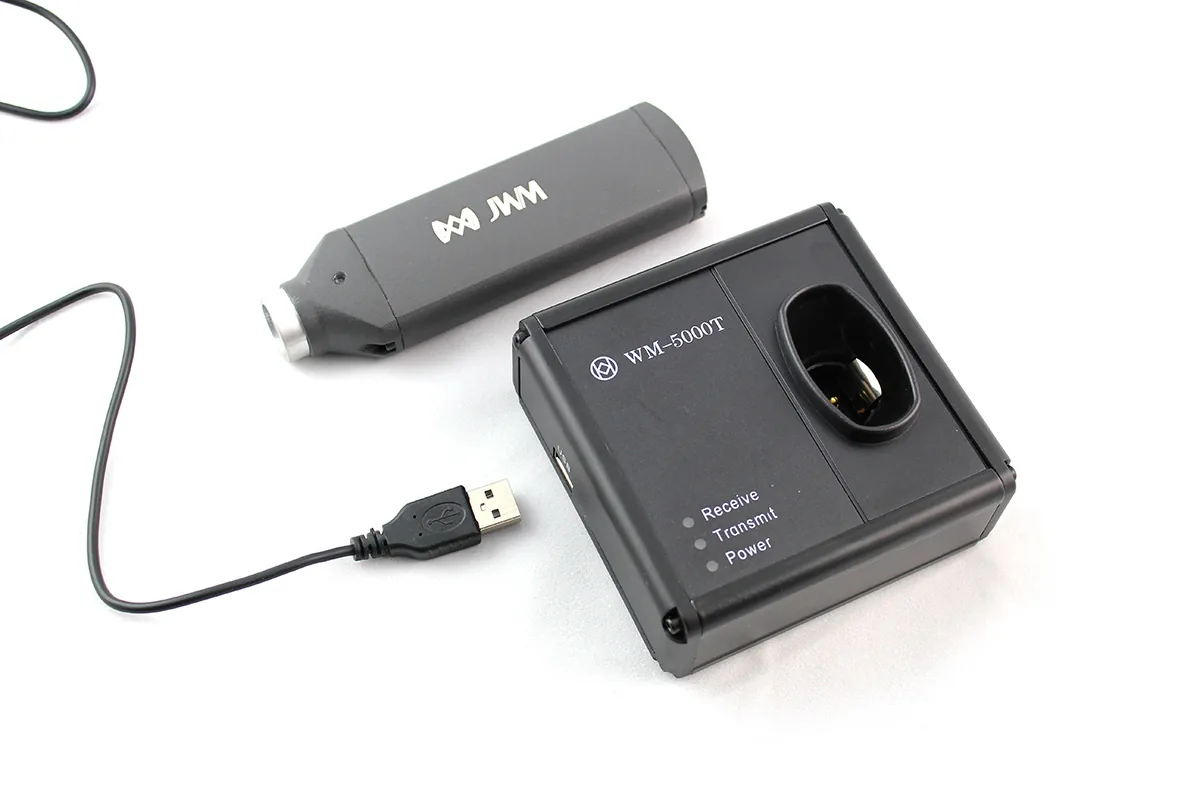
The reader stores scans in memory; data reaches the software when the device is plugged into the Data Downloader. Offline systems are the most affordable and the most network-independent — JWM’s offline readers keep patrol data for over 20 years — but by design the data is delayed, so management cannot react during the patrol. This range covers iButton contact readers (WM-5000A/E/ES), RFID readers (WM-5000V+, WM-5000V5, WM-5000V4/V4S, WM-5000S, WM-5000V6, WM-5000V8) and photo-evidence readers (WM-5000F3/F4).
Online systems (real-time upload)
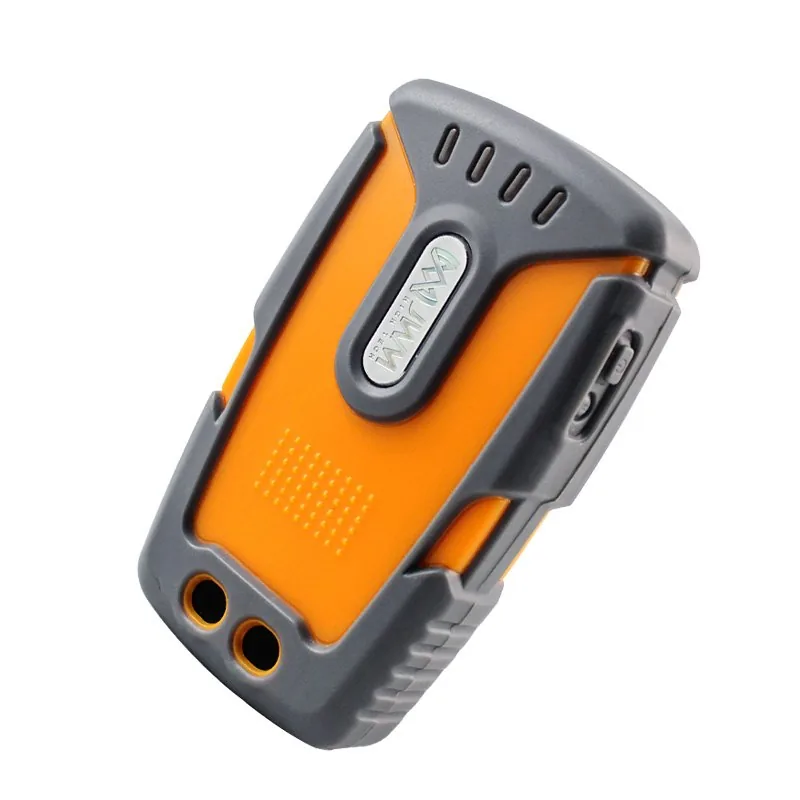
The reader carries its own SIM card. JWM’s WM-5000L3 uploads each scan over GPRS the moment it happens, in a 30 m drop-proof body with alarm buttons. The WM-5000L3-MF1 adds 13.56 MHz MF1 card support, the WM-5000L6 adds a 5MP camera and two-way voice call over 3G, and the WM-5000L focuses on event and alarm reporting. Running cost is a small monthly SIM data plan.
Real-time monitoring
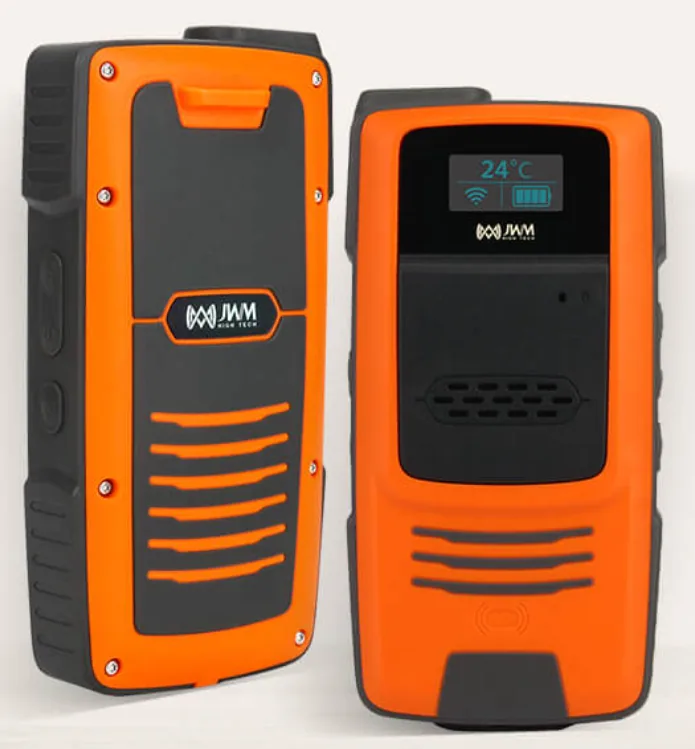
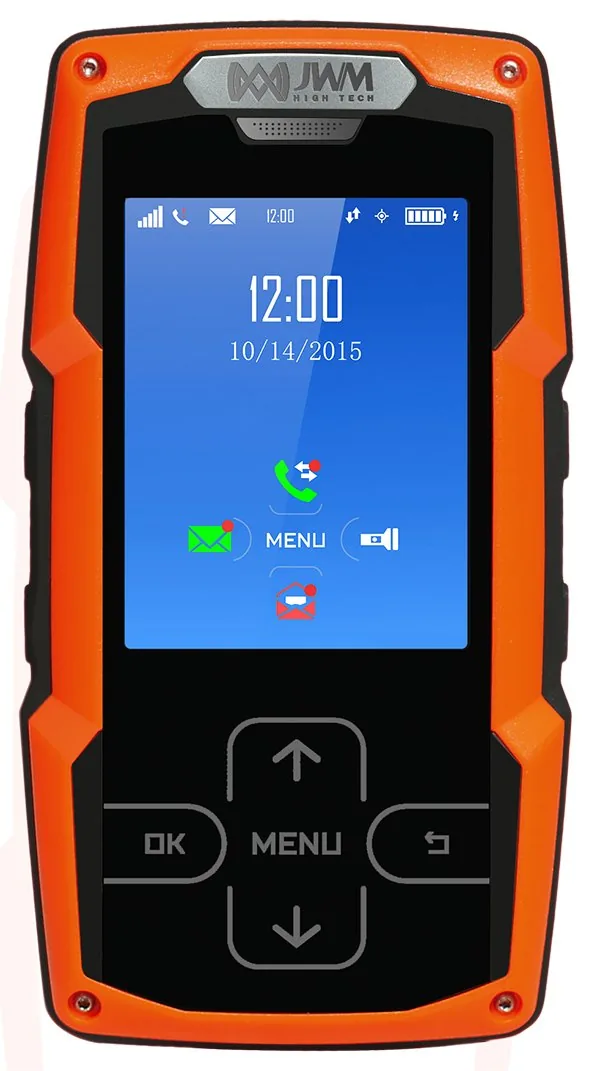
“Real-time” is often used for the management layer on top of online upload: a live dashboard in the control room with missed-checkpoint alerts, SOS alarms and live dispatch. JWM’s WM-5000K, for example, combines Wi-Fi real-time patrol with two-way talk and live dispatch. The difference matters: “the data is in the database” is online — “the supervisor is watching and can act now” is real-time.
GPS patrol systems
GPS patrol uses satellite positioning to log where the guard walked — no checkpoint buttons to install. That suits long, outdoor, linear assets such as pipelines, railways and perimeters, and it allows quick trials. The trade-offs: poor indoor coverage, higher power consumption, and weaker proof of presence — a GPS track shows where the guard went, not that a specific checkpoint was touched. Many deployments combine GPS tracks with a few physical checkpoints where evidence matters most.
Which one fits?
- Proof of presence at fixed points on a tight budget → traditional offline (WM-5000A/E/ES or the V series).
- Live supervision across several sites → online readers (WM-5000L3 / L3-MF1 / L6 / L).
- Control-room response and dispatch → WM-5000K, or WM-5000L6 with photo and call evidence.
- Long outdoor routes without infrastructure → GPS, combined with physical checkpoints where proof matters.