How to Choose the Right Guard Tour System for Your Site
Seven practical questions — environment, real-time needs, routes, evidence, ergonomics, budget and standards — that decide which guard tour system fits your site.
A guard tour system only works if it matches your site. Seven questions decide the right configuration — work through them in order and the shortlist usually narrows to one or two models.
1. What environment will the reader face?
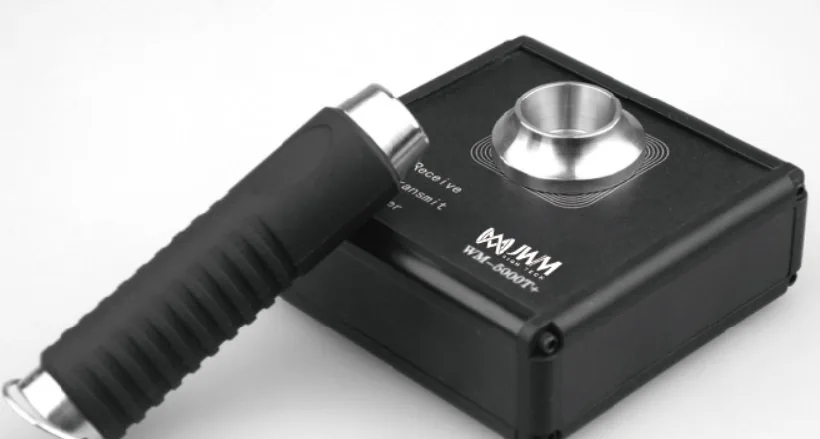
Explosive or flammable sites — fuel stations, oil depots, chemical plants, LNG facilities — must use iButton contact readers. They read by physical touch and emit no radio-frequency energy, which makes them intrinsically safe. RFID readers emit radio energy and do not belong in explosion-protected zones. JWM readers are sealed to IP67 and built for extreme temperatures and heavy drops; check each model’s spec sheet for the exact figures.
2. Do you need the data immediately?
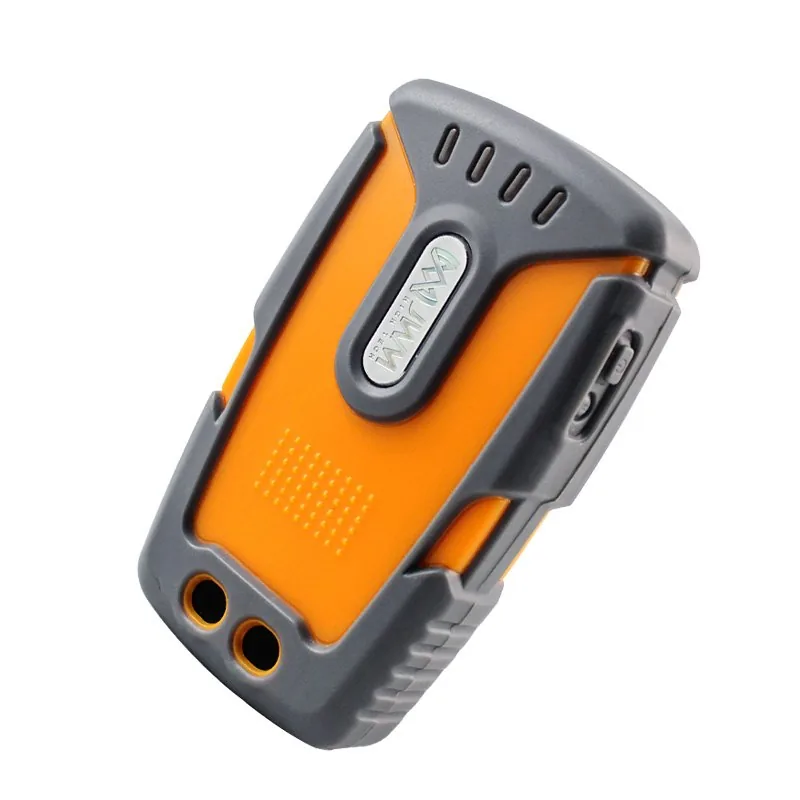
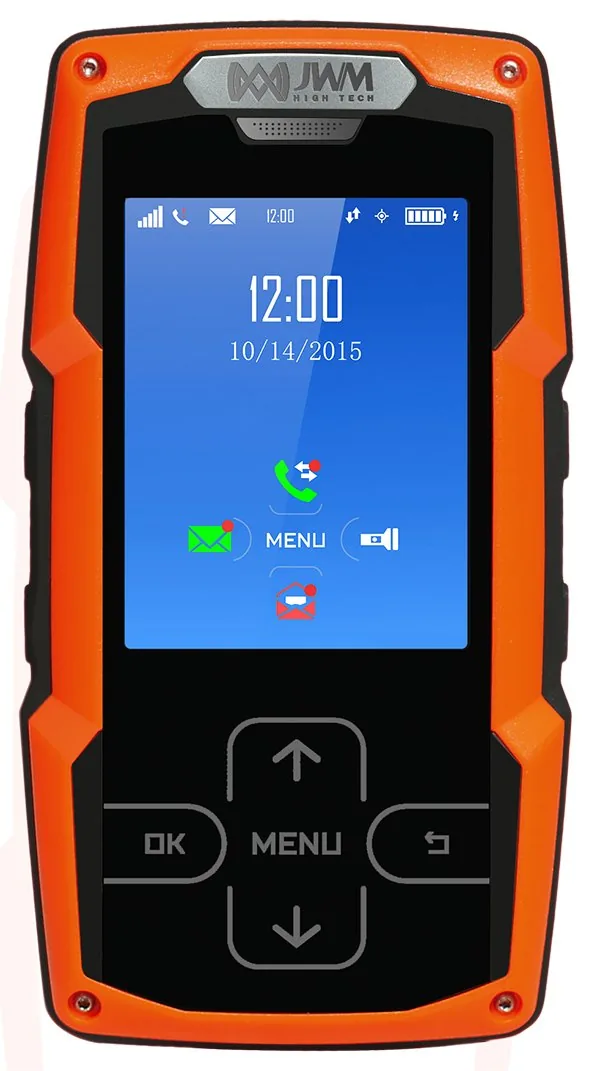
If the manager must react during the patrol — alarm response, client transparency, multi-site supervision — choose an online reader with a SIM card (WM-5000L3, L3-MF1, L6 or L). If a report at the end of the shift or the week is enough, an offline system costs less and never depends on network coverage.
3. Fixed checkpoints or free routes?
Most sites deploy fixed checkpoint buttons along real routes — the most tamper-proof way to prove presence. For long outdoor or linear assets, GPS route logging removes the infrastructure cost, at the price of weaker checkpoint-level evidence. A hybrid works well: GPS for the route, physical checkpoints at critical nodes.
4. What evidence do you need?
- Timestamp and location only → any iButton or RFID reader.
- Photo evidence → WM-5000F3 or F4 offline photo readers, or the online WM-5000L6 (5MP camera).
- Voice contact with the control room → WM-5000L6 (two-way call) or WM-5000K (two-way talk over Wi-Fi).
- Guard identity verification → WM-5000X1 with live-fingerprint ID.
5. Who carries it — and for how long?
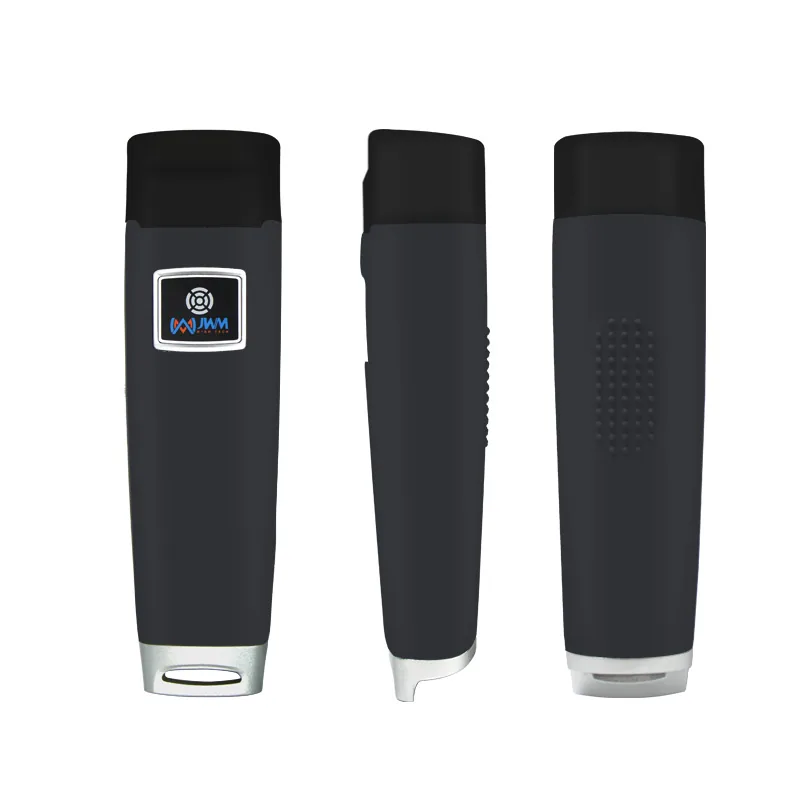
Night patrols want a flashlight (WM-5000V4, V4S, ES); long shifts want light weight and long battery life (WM-5000S runs about 70 days per charge, WM-5000V6 about 110 days). Gloves and rain argue for large buttons or touch-free auto-sensing. Pick the device the guard can operate one-handed in the dark.
6. Budget: hardware now vs data plan later
Offline systems are a one-time hardware purchase; online systems add a small monthly SIM data plan. Balance that against what delayed data costs you — a single disputed incident usually pays for the difference. JWM offline readers store patrol data for over 20 years, so the historical record survives hardware generations.
7. Standards and reporting
Make sure the system produces audit-ready reports — route, time, personnel and events exportable for clients or regulators. JWM systems follow GA/T 644-2006 and related electronic-patrol standards, and the management software is included free with every device, with free updates.
| Scenario | Suggested JWM models |
|---|---|
| Explosive / oil & gas site | WM-5000A, WM-5000E, WM-5000ES (iButton contact) |
| Property, campus, factory routine patrol | WM-5000V+, WM-5000S, WM-5000V4S |
| Photo evidence required | WM-5000F3 / F4 (offline), WM-5000L6 (online) |
| Live multi-site supervision | WM-5000L3, WM-5000L3-MF1, WM-5000L |
| Control-room dispatch and talk | WM-5000K, WM-5000L6 |
| Fingerprint identity | WM-5000X1 |
Tell us your site type and shift pattern, and we will recommend the reader and configuration that fit — including OEM branding for security companies and distributors.