Do You Really Need an Online Guard Tour System? SIM Cards, Network Setup and Hidden Costs
Online guard tour systems upload every scan in real time — but each reader needs a SIM card with a data plan, correct APN and server IP configuration, and stable mobile coverage. What an online system really costs, and who should (and shouldn’t) buy one.
Live dashboards, instant alerts, no USB downloads — an online (real-time) guard tour system sounds like the obvious upgrade. For some sites it genuinely is. But after two decades of manufacturing both offline and online patrol systems, we also see the other side: the support tickets, the expired SIM cards, the customers stuck on APN settings. This guide explains what an online system really requires, so you can decide with clear eyes.
What an online system actually requires
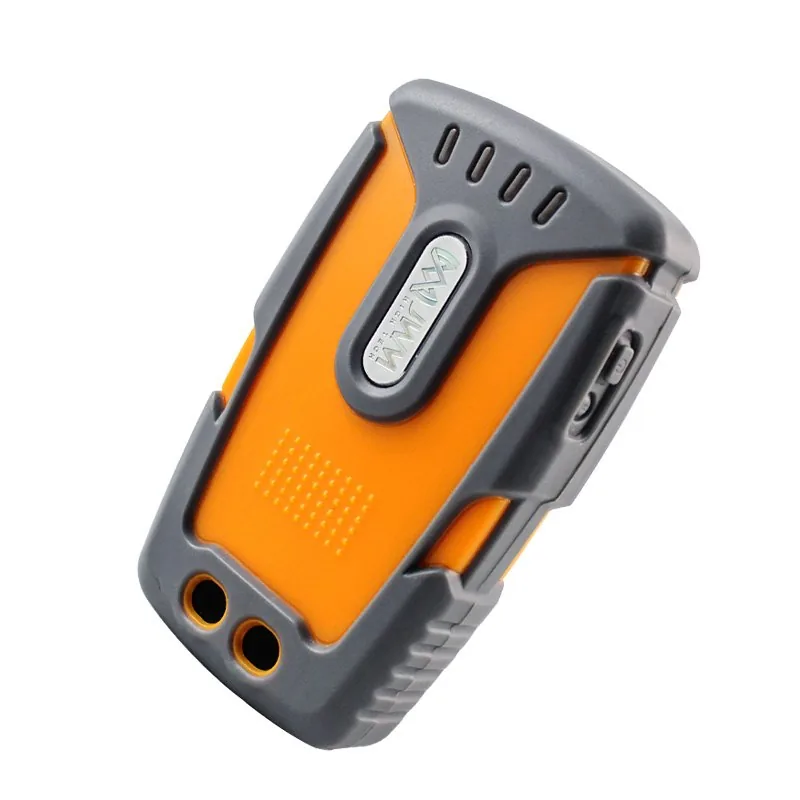
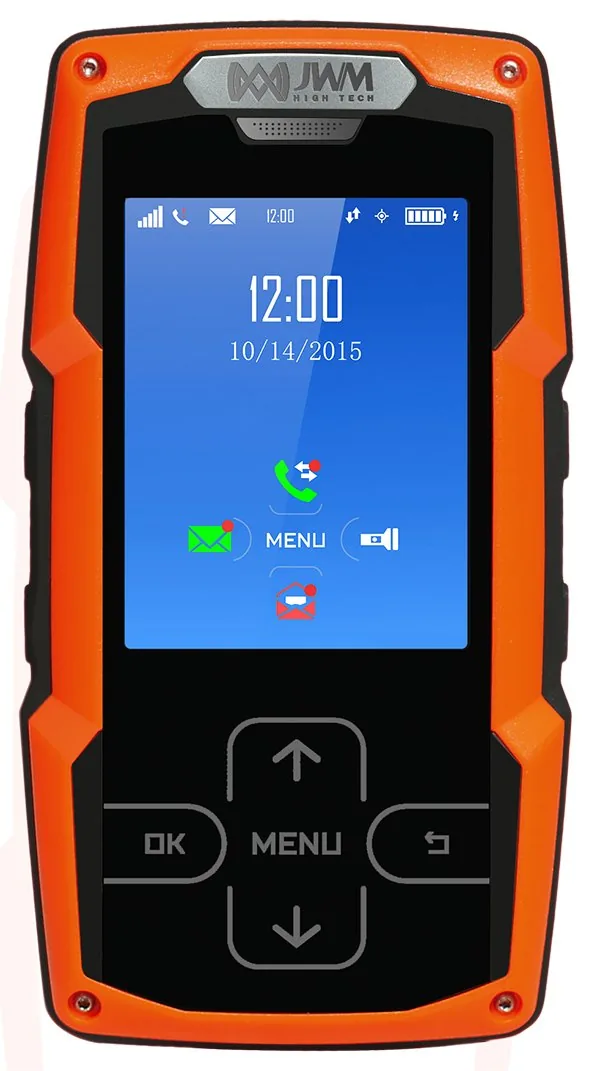
An online patrol reader carries its own SIM card and uploads every scan over the mobile network the moment it happens. For that to work, four things must all be in place:
- A SIM card with an active data plan in every reader — not included with the hardware.
- Reliable mobile coverage along every patrol route, including basements and remote corners of the site.
- A management server reachable from the reader — a fixed IP address or domain, running and maintained.
- Correct network configuration on the device: APN (the carrier’s access point name), server IP/domain and port.
The SIM card: a small line item that never ends
Each online reader needs its own data plan, billed every month, for as long as the system runs. Multiplied by the number of readers and the years of service, the running cost can quietly exceed the price of the hardware itself. Someone also has to keep the SIMs alive: topping up credit, renewing plans, replacing cards when a carrier changes terms. When a SIM expires or runs out of data, the patrol itself does not stop — but the data does, and nobody notices until a report comes up missing.
Network and IP configuration: where most support tickets come from
We will be blunt, because honesty saves you months: the majority of after-sales requests we handle for online systems are not about the hardware at all — they are about network setup. APN parameters differ from carrier to carrier and country to country. The server address must be entered correctly and actually reachable through the carrier’s network. Firewalls, private APNs and carrier restrictions add more variables. Customers without IT staff regularly spend days on settings before the first scan reaches the server. Offline systems have none of this: plug in the USB cable, click import, done.
Coverage and the 2G/3G shutdown question
An online reader only works where the mobile network works. Signal inside parking basements, cold-storage plants or along remote fence lines is often weak — exactly where checkpoints tend to be. Before committing, test coverage on your actual routes with a real device. And check your carriers’ shutdown plans: several countries have already switched off 2G or 3G networks, and a GPRS or 3G patrol reader bought today should match the networks that will still exist in five years.
Who an online system genuinely suits
- Control rooms that must react during the patrol — alarm response, SOS dispatch.
- Security companies that sell transparency to clients: live progress the client can see.
- Multi-site operators who want one central view of every location.
- Customers with IT capability — someone who can handle SIM plans, APN settings and a reachable server.
Who should stay offline
If you are buying your first patrol system, run a single site, have no IT department, or your routes include network dead zones, an offline iButton or RFID system will serve you better. It costs once, configures in minutes, depends on no carrier, and keeps patrol data for over 20 years. The evidence — time-stamped, tamper-proof checkpoint records — is exactly the same; only the moment it reaches your desk changes.
| Offline (iButton / RFID) | Online (SIM upload) | |
|---|---|---|
| Cost | One-time hardware purchase | Hardware plus a monthly data plan, per reader, for as long as it runs |
| Setup | USB cable and software — minutes | SIM activation, APN, server IP — needs IT skills |
| Network dependence | None | Carrier coverage on every route |
| Data availability | When connected after the shift | The moment each scan happens |
| After-sales load | Minimal | Highest: network and SIM issues dominate |
| Best for | Most sites, first-time buyers | Control rooms, multi-site, client transparency |
Our honest recommendation after 20+ years of building both: start offline unless you have a specific operational reason to need live data — and the IT capacity to maintain it. If you do need real-time supervision, tell us your routes and country, and we will help you check coverage, SIM options and server setup before you spend a cent.