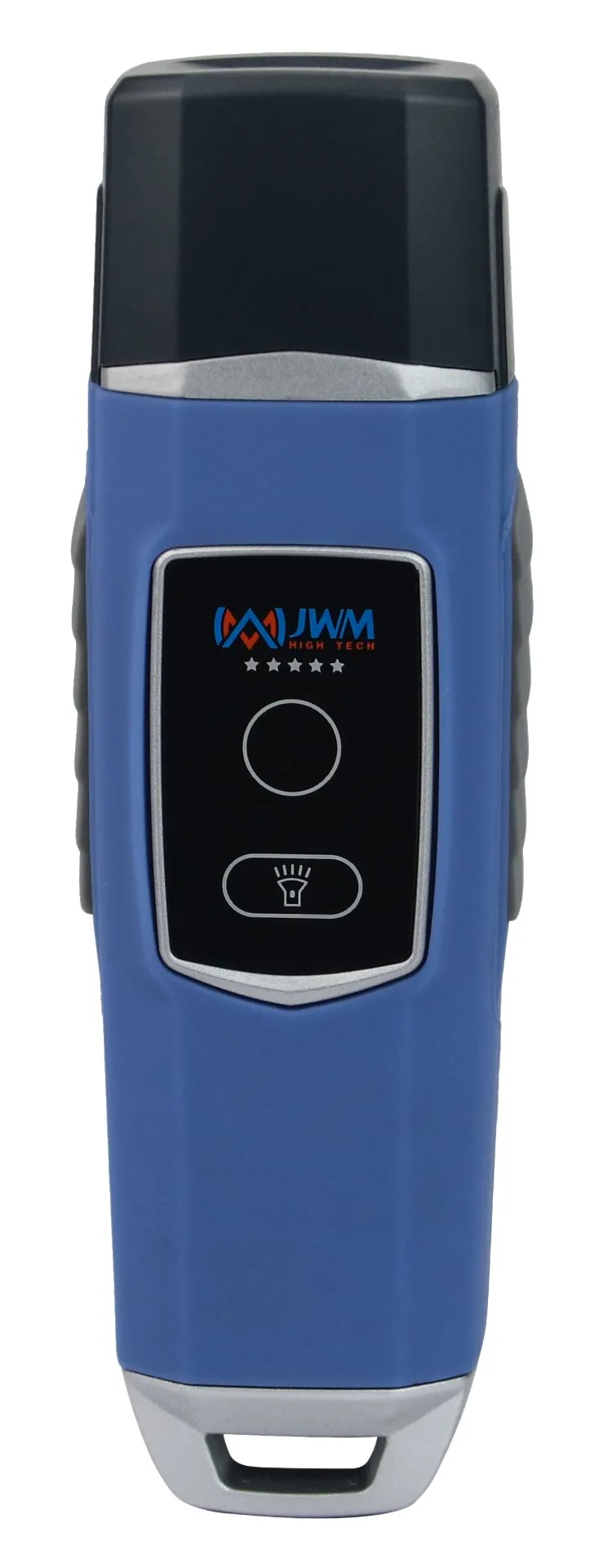
Guard Tour Systems for Hotels and Resorts
Hotel patrol has to be invisible to guests and provable to insurers. A practical guide to night rounds, back-of-house zones, fire exits and plant rooms — plus how to decide between offline readers and real-time online upload for a hospitality property.
A hotel sells a promise that nothing will go wrong tonight. The work behind that promise happens in corridors at 3 a.m., in stairwells, plant rooms and car parks the guest never sees. The difficulty is that hotel patrol is judged twice: by the guest, who should never notice it, and by the insurer or brand auditor, who expects to see it in writing. This guide covers how to run patrol that satisfies both, and where electronic guard tour systems earn their cost.
What hotel patrol actually covers
Hotel rounds are rarely a single loop. Most properties run a back-of-house round, a public-area round and a perimeter round on different frequencies:
- Back-of-house: kitchens after close-down, food stores, cash office, laundry, staff entrance, waste and delivery areas;
- Life safety: fire exits and stairwells kept clear, fire doors closed, extinguishers and alarm panels in place, escape signage visible;
- Plant and utilities: boiler room, chiller and AHU plant, electrical rooms, water tanks and pool plant;
- Public and perimeter areas: lobby and function spaces after hours, pool and leisure areas, car parks, service yards and boundary gates.
The guest never sees the round, but the auditor does
A well-run hotel wants patrol to be invisible: no clatter of equipment in a corridor at midnight, no guard standing under a guest-room window. At the same time, insurers writing a commercial policy, tour operators auditing a property and brand standards inspectors all ask for evidence of night rounds. The two requirements pull in opposite directions, which is why the reader itself matters: a small, silent, one-handed device lets a guard complete a round without disturbing a corridor.
Why paper logs stop working as a hotel grows
A single small property can get away with a clipboard at reception. The problems start when there are multiple buildings, three shifts and a night manager who has to sign off rounds he did not witness. Paper cannot answer the two questions that matter: was the round done at the right time, and was it done by the person whose name is on the sheet? By the time the sheet is typed up, the night is over and the evidence is a summary written from memory.
Offline or online: choose by reaction time
This is the first decision to settle, because it changes the cost structure. Offline systems store rounds in the reader and download them at the end of the shift through a data downloader. Online systems upload each scan as it happens, over a mobile network.
| What you need | Offline (contact or RFID) | Online (real-time upload) |
|---|---|---|
| Proof that rounds were done | Yes, complete after download | Yes, visible while the round is running |
| Immediate escalation of an incident | No, discovered at shift end | Yes, alert raised during the round |
| Network or SIM cards | Not required | Required, one per reader |
| Server or cloud account | Not required | Required |
| Best fit | Independent and mid-size properties | Multi-property groups, high-security or VIP-heavy sites |
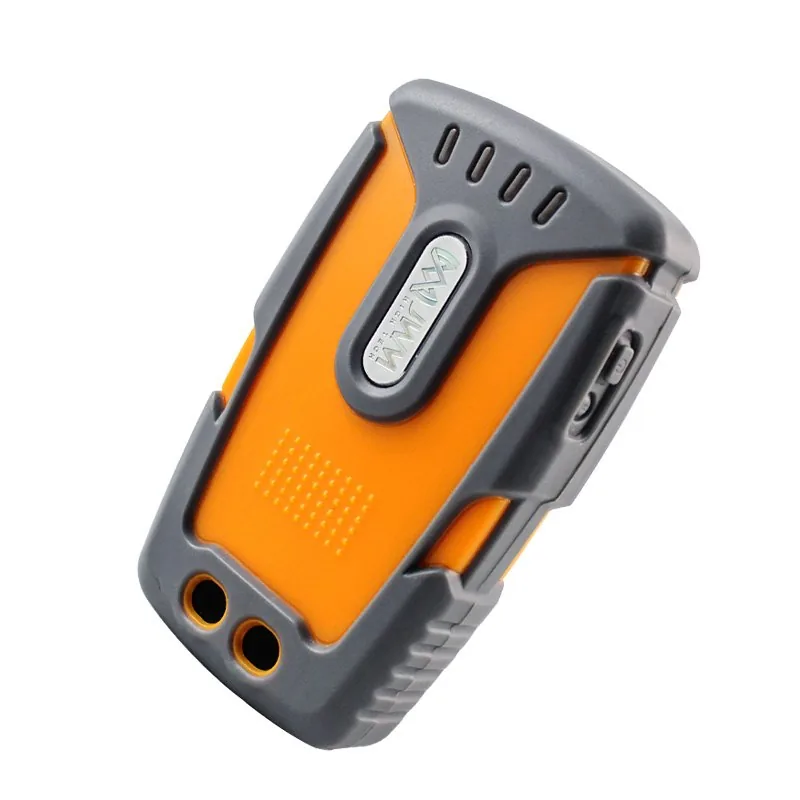
Most independent hotels and resorts choose offline, because the patrol record is what they need and the network requirement is a distraction. Groups with a central security desk, or properties with a standing VIP or event calendar, tend to choose online so an incident reaches the duty manager while the guard is still in the corridor.
Choosing the reader for hospitality work
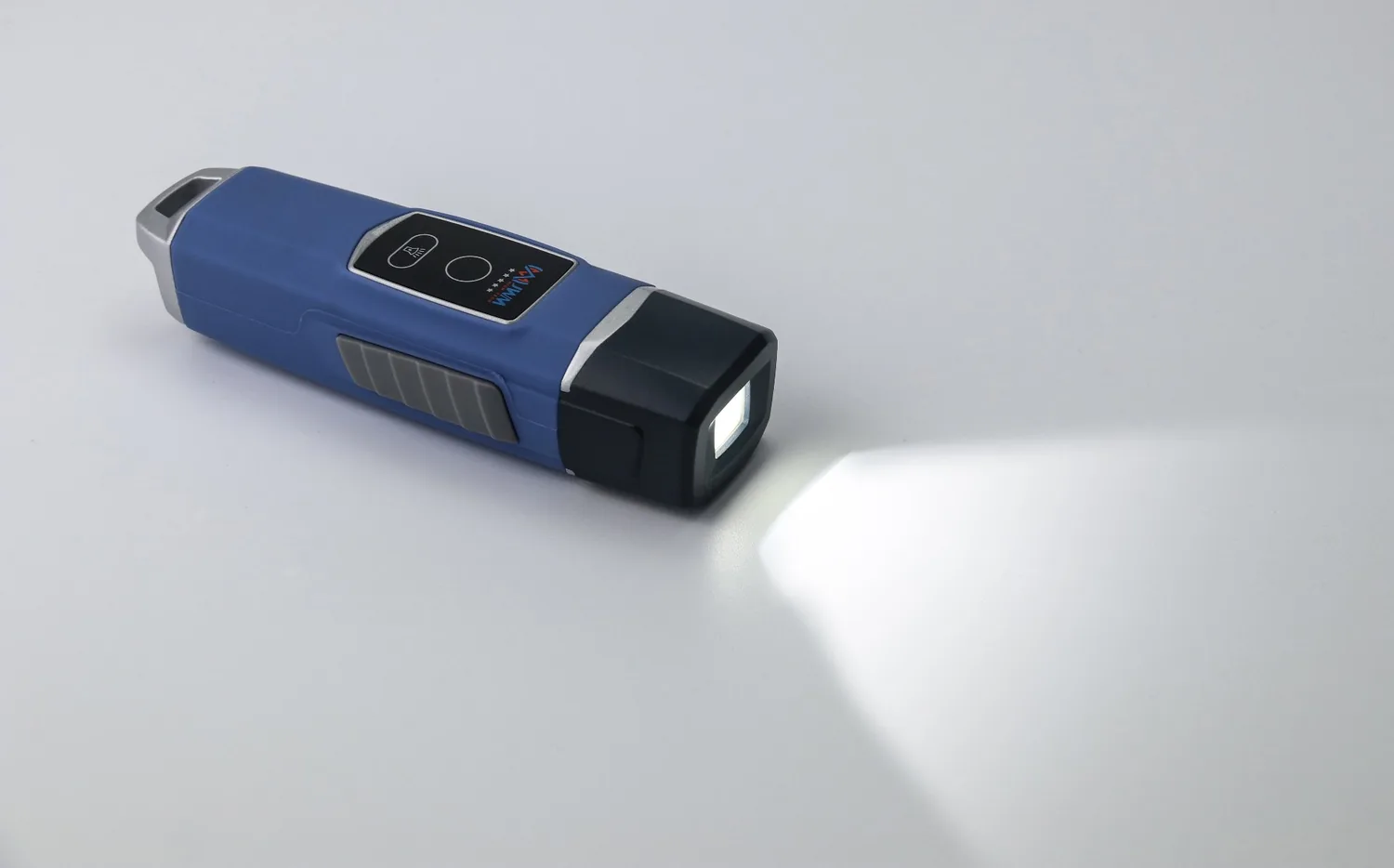
Three details separate a reader that gets used from one that stays in the drawer: light enough to carry through a full shift, quiet enough not to be heard from a guest room, and usable in low light without a second hand. RFID reading helps on all three, because checkpoints can be mounted flush behind a service door frame or inside a plant cupboard, and there is no socket to find in the dark. For stairwells that are deliberately left unlit, pick a reader with a built-in torch; the offline WM-5000V4S shown below is one.
Designing the rounds around the operation
Round design should follow the building, not the org chart. A workable pattern for a mid-size property is:
- Early evening: public areas, function rooms, pool and leisure areas as they close, plus all fire exits;
- Late night: back-of-house, kitchens, stores, cash office and plant rooms, at the quietest point of the night;
- Early morning: perimeter, car parks, service yards and delivery areas before the first arrivals;
- Daytime: a lighter round covering fire doors, extinguishers and any work-in-progress areas.
Splitting the property into zones also lets one reader cover several buildings without a route that takes two hours to walk. Where a resort has separate villas or a golf or beach facility, each becomes its own zone with its own schedule rather than part of one long loop.
Turning a patrol record into evidence
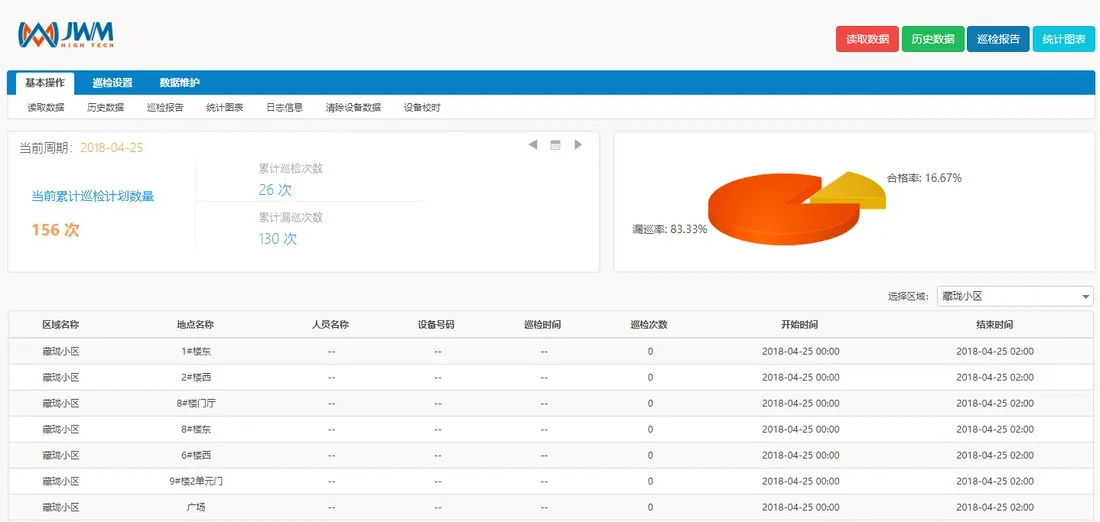
The value of the record shows up on the day something goes wrong: a guest reports a theft, a fire door is found wedged open after an incident, an insurer questions whether night rounds were performed. A patrol record that shows who was where, at what time and what they reported answers those questions in minutes rather than weeks. Event codes make the difference between a bare list of timestamps and a usable account of what was found and what was done about it.
Deploying without disrupting guests
Installation is the easy part: checkpoints are small, surface-mounted and need no cabling in an offline system, so work can be scheduled floor by floor between check-outs. The part that decides success is the briefing. Guards need to know which checkpoint belongs to which zone, what to do when a fire door is found open at 3 a.m., and how to record it. Two short sessions, one for the guards and one for the duty managers who read the reports, are usually enough. If the property runs a brand-standard audit, agree the report format with the auditor before the first round rather than after.
Conclusion
Hotel patrol is a promise made to guests and proved to auditors. An electronic guard tour system is the least intrusive way to keep that promise: silent in the corridor, precise in the record, and simple enough that a new guard can use it on the first night. If you are specifying patrol for a hotel, resort or serviced apartment property, tell us the zones and the shift pattern and we will propose a reader and checkpoint layout.