
Guard Tour Systems for Campus Security: From Kindergartens to Universities
How electronic guard tour systems turn campus patrol — from kindergartens and schools to universities — from paper sign-in sheets into auditable, data-traceable security management, using the JWM WM-5000E iButton reader as the example.
Campus safety is a baseline jointly guarded by parents, schools and regulators. Whether it is a kindergarten, a primary or secondary school, or a university, security patrol is the last "verifiable" link in the whole security system. This article explains how an electronic guard tour system upgrades campus patrol from paper sign-in sheets to data-traceable, information-based management, and uses the JWM WM-5000E iButton reader as an example to show its composition, deployment and daily use.
The real problems with traditional paper sign-in
Many campuses still rely on paper sign-in sheets to record guard tours: guards tick a box at fixed points when on duty, and a security supervisor later types the data into a computer. This approach has three hard flaws — data is easily lost, entry is error-prone and inefficient; more importantly, managers cannot know for sure whether guards actually patrolled at the required time, along the required route, and with the assigned person. When something happens, a paper record is hard to use as evidence and easy to dismiss as "filled in afterwards".
Digital patrol: make every round verifiable
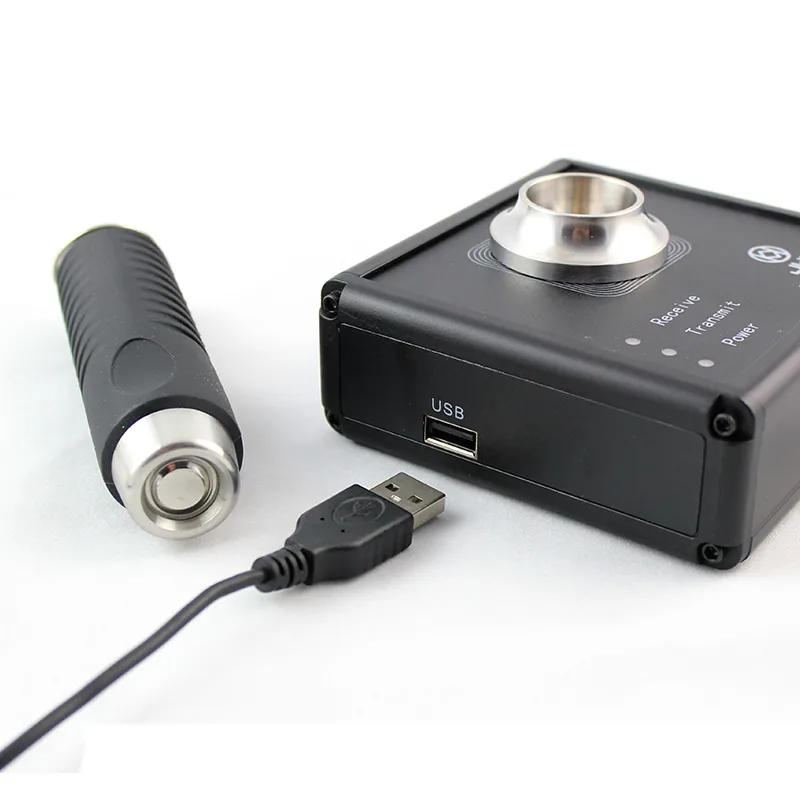
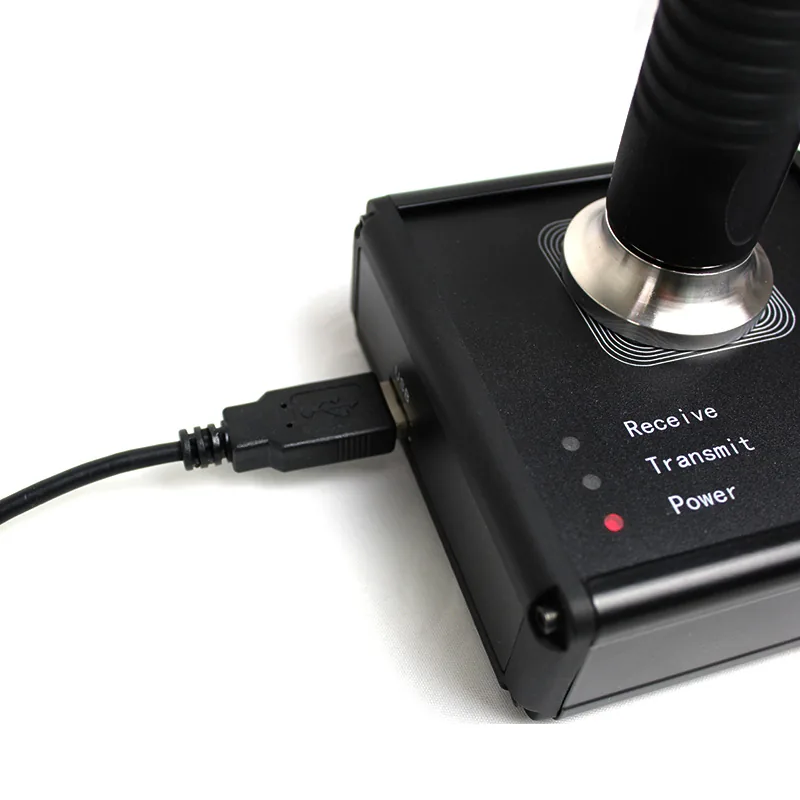
An electronic guard tour system consists of a guard tour reader, checkpoint buttons (info buttons), a data downloader (communication cradle) and management software. The guard reads each checkpoint with the reader; time, location and personnel are recorded automatically. After the shift, the data is imported into the software once via the downloader, which analyses it and produces patrol reports, forming a tamper-proof, permanently stored multi-dimensional database.
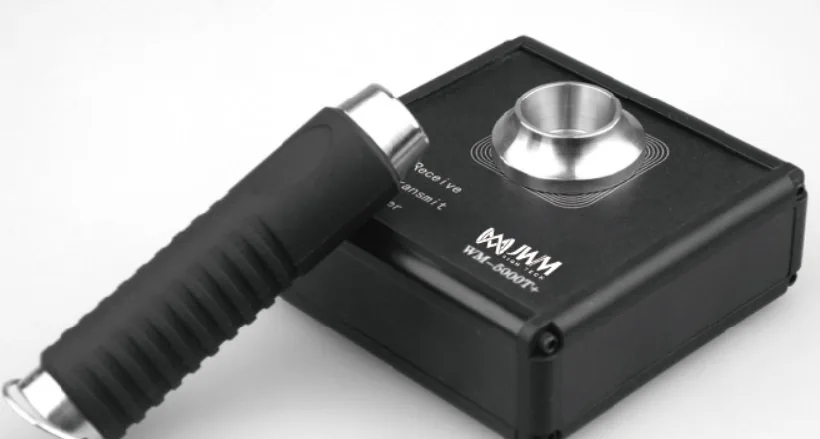
Once generated, the data cannot be modified and is kept permanently. This greatly reduces the supervisor's statistics, registration and data-entry workload, and lets principals, headmasters and supervising authorities review and inspect at any time. For campuses that need "records, evidence and traceability", this is exactly where guard tour systems differ from video surveillance — cameras capture the "scene"; a guard tour captures the "responsibility".
Why campuses suit contact (iButton) readers
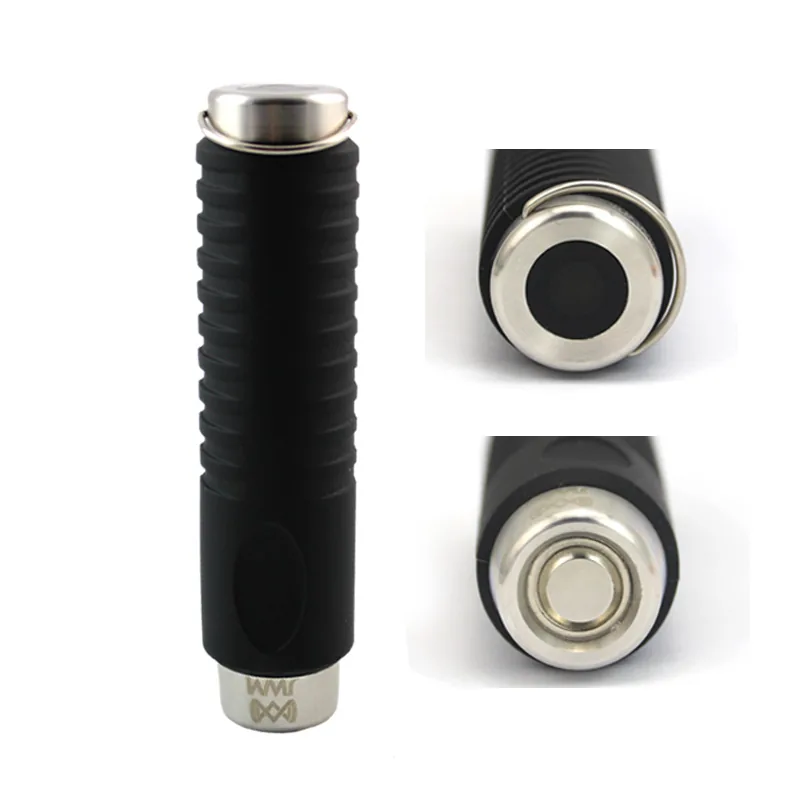
Campus patrols happen outdoors, in corridors, garages and electrical rooms, where checkpoints are exposed to weather year-round. The JWM WM-5000E uses iButton contact reading: a fully sealed stainless-steel housing, IP67 waterproof and dustproof, no fragile buzzer, and a bright tail light confirming each successful read. The contact info button (DS1990A) has a globally unique, tamper-proof UID — fixed in place, "location cannot be forged". It needs no battery, and can be embedded in a wall, stuck to a post or hung on a key fob, outlasting RFID cards by a wide margin. For the school, that means lower maintenance cost and more reliable evidence.
From kindergartens to universities: how each stage uses it
The system lets you plan patrols by time slot, by person and by route, so one set of equipment covers campuses at every stage:
- Kindergarten: focus on morning drop-off, evening pick-up, nap-time supervision, perimeter and playground equipment — short routes but high frequency, emphasising "someone is on post";
- Primary and secondary schools: cover teaching blocks, labs, canteens, dormitories and the school gate; balance the rush-hour peaks with night duty, and split routes by grade or building;
- Universities: large area, many buildings, long open hours — divide into multiple routes by zone (academic, residential, sports, hazardous-chemical storage) and increase frequency at key points such as electrical rooms, finance offices and laboratories.
Responsibility to the person, hazards found early
By issuing each guard a personnel button (Guard Key) and scheduling shifts in the software, every round is automatically tied to a specific person, time, route and event. Managers can search by date, post and route in the back office; missed or skipped checks and abnormal stops are immediately visible. Hazards found on site (a blocked fire exit, a door lock fault) can be recorded and reported on the spot, closing the loop. The guard tour system turns "I checked it" into a tamper-proof record, shifting campus safety from "trust" to "mechanism".
System composition and daily use
A campus guard tour system typically includes: a guard tour reader, checkpoint buttons (info buttons), a data downloader, management software, and checkpoint sign plates that help guards locate each point. Daily use is minimal — the guard touches each checkpoint along the planned route, docks the reader in the downloader after the shift, and the software imports with one click. From composition and installation to daily use and data archiving, the whole process does not depend on a complex network, keeping the school's IT burden very low.
Conclusion
Campus security cannot rely only on video surveillance and perimeter alarms. With verifiable, traceable patrol records, an electronic guard tour system makes safety responsibility real and personal — the most practical and easiest-to-deploy link in campus patrol. If you are planning patrol for a kindergarten, a school or a university, learn about the JWM WM-5000E iButton guard tour system, or contact us for scenario-based selection advice and a quote.